




Starting January 1, 2026, Ontario introduced important changes to its carbon monoxide (CO) alarm laws. These updated provincial requirements affect all residential properties, including condo units, rental properties, and owner-occupied homes. If you own or manage property in Ontario, understanding these changes is essential to staying compliant and keeping residents safe.
At Larlyn Property Management, we help condo boards, landlords, and property owners stay ahead of regulatory updates while reducing risk and liability.
New Carbon Monoxide Alarm Requirements in Ontario (2026)
Previously, CO alarms were only required in homes with fuel-burning appliances, attached garages, or nearby risk areas. As of 2026, every residential unit in Ontario must have carbon monoxide alarms, regardless of building type or mechanical systems. Condo exemptions will be rare.
This change significantly expands compliance obligations for condo owners, landlords, and property managers, especially in buildings that previously did not require CO alarms. For more details on the new requirements, property owners and landlords can refer to the Ontario government’s carbon monoxide safety page or contact their local fire department for guidance.
Updated CO Alarm Placement Rules
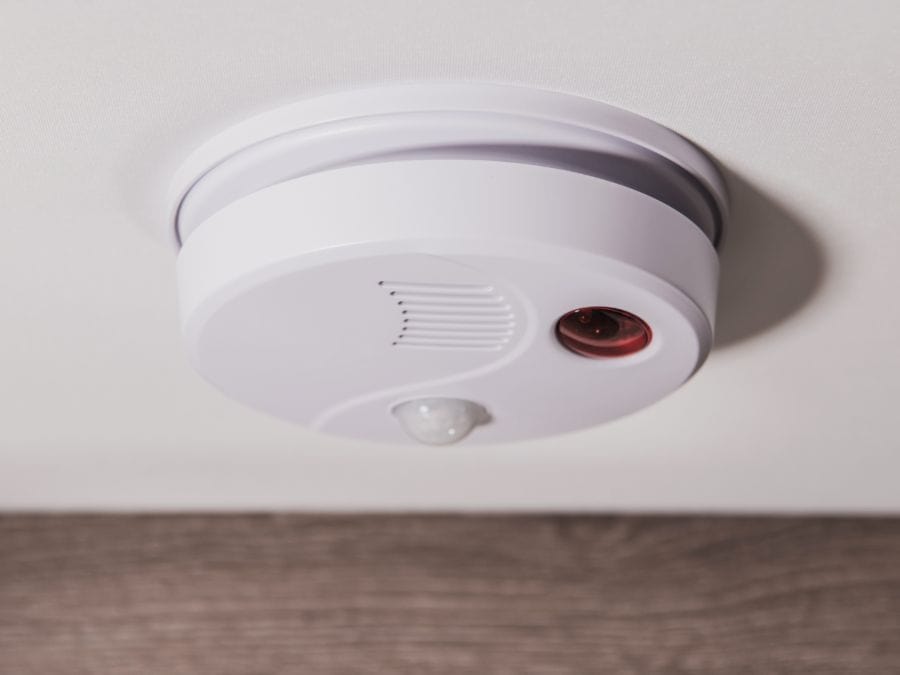
The new regulations also introduce stricter placement requirements. Many units will now need more than one CO alarm. Alarms must be installed:
- Outside each sleeping area
- On every story containing a fuel-burning appliance
- Near furnace rooms, boiler rooms, or attached garages
All installations must follow manufacturer guidelines, including wall height and distance from vents or air intakes.
Hard-Wired and Interconnected Alarm Standards
Buildings with shared mechanical systems may now require hard-wired or interconnected CO alarms, rather than battery-only models. Newer buildings and recently renovated properties must meet these standards, and older buildings may need upgrades when outdated equipment is replaced.
This change has major implications for condo management services and multi-residential properties.
Landlord Responsibilities Under the New CO Law
For owners who rent out their units, responsibilities increase in 2026. Landlords must:
- Provide working CO alarms at the start of each tenancy
- Replace alarms before they expire (typically every 7–10 years)
- Test alarms annually and at tenant turnover
- Keep records of installation, testing, and replacements
- Respond promptly to malfunction reports
Failure to meet these requirements, or to maintain proper documentation, can result in fines and enforcement action. Partnering with a trusted residential property management company can make these obligations easier to manage while keeping tenants safe.
Condo Corporation and Board Obligations
Condo corporations are responsible for CO alarm compliance in common areas, including mechanical rooms, boiler rooms, shared equipment spaces, and enclosed parking garages. Boards must maintain alarms, track testing and replacements, and communicate code changes to owners. Alarms inside individual units remain the responsibility of the unit owner.
How Larlyn Property Management Can Help
Navigating Ontario’s updated CO alarm regulations can be complex, especially for condo boards and landlords managing multiple properties. Larlyn Property Management provides expert guidance, compliance support, and proactive property management solutions to help you meet legal requirements with confidence.
From residential units to multi-unit and shared-use properties, Larlyn offers commercial property management and full-service solutions tailored to complex regulatory environments.
Contact Larlyn today to learn how our condo management and residential property management services can help you prepare for Ontario’s 2026 carbon monoxide law changes.